Patient Handling Course Dublin: Your Complete Guide to People Handling & Manual Handling Training for Care Workers

At a Glance: Quick Answer
A Patient Handling Course teaches care workers safe techniques for moving, lifting, and supporting people with reduced mobility. Also called a People Handling Course or Manual Handling for Care Workers, it covers risk assessment, equipment use (hoists, slide sheets), and HSA-compliant practices. Most courses run 3-4 hours and provide certification valid for 2-3 years.
Why Manual Handling Training Matters More Than Ever in Dublin Healthcare
If you work in a nursing home, hospital, or home care setting anywhere from Dublin 2 to the outskirts of the city, chances are you’ve already heard the phrase “manual handling” more times than you can count. But here’s something we’ve found after years of running these sessions: most people think they know how to lift safely until they’re shown what they’re actually doing wrong.
In our experience, back injuries are one of the leading causes of staff absence in Irish healthcare settings. The Health and Safety Authority (HSA) reports that musculoskeletal disorders account for a huge chunk of workplace injury claims in the care sector. That’s not just a number on a page-it’s careers cut short and patients left without familiar carers.
This guide breaks down everything you need to know about patient handling courses, people handling training, and manual handling certification for care workers in Dublin.
What Is a Patient Handling Course?
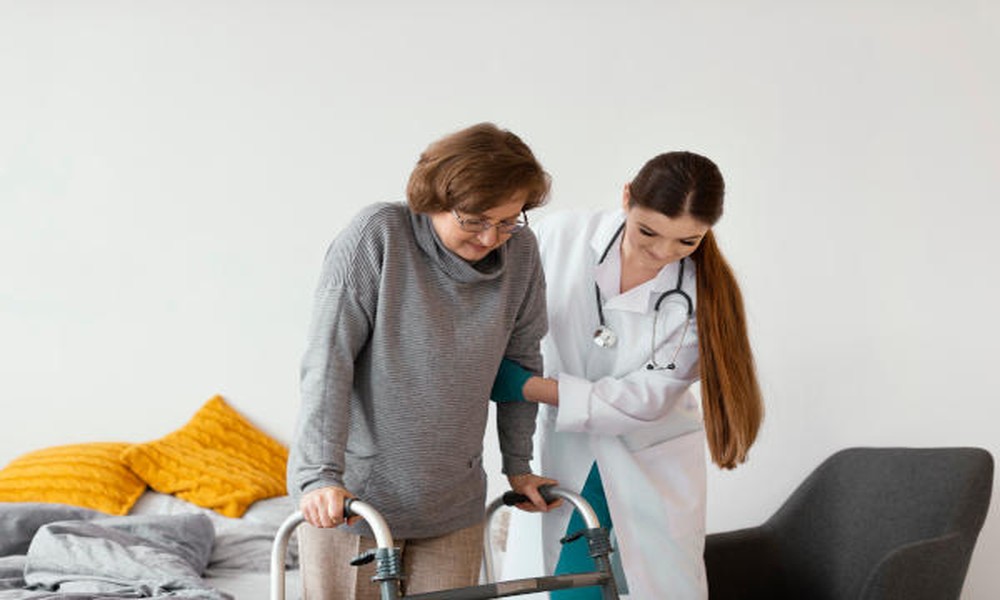
A patient handling course is specialised training that teaches healthcare and care workers how to move, transfer, and reposition patients without causing injury to themselves or the person in their care.
Unlike general manual handling (which might cover lifting boxes or warehouse stock), patient handling deals with a moving, breathing human being who may be in pain, confused, or unable to assist with the movement.
Key Skills Covered in a Typical Course
- Safe lifting principles (TILE assessment: Task, Individual, Load, Environment)
- Using hoists, slide sheets, and transfer boards correctly
- Repositioning patients in beds and chairs
- Assisting with falls and floor recovery
- Risk assessment documentation
- Communication techniques with patients during moves
People Handling Course vs Manual Handling Course: What’s the Difference?
This trips up a lot of new care workers, so let’s clear it up simply.
Manual handling is the broad term. It covers lifting any load-boxes, equipment, furniture, or people.
People handling (sometimes called patient handling) is the specific application of manual handling principles to moving humans. It’s a more advanced, specialised module that builds on basic manual handling knowledge.
When we analyze job postings across Dublin care homes, almost all of them now ask for “People Handling” certification specifically-not just general manual handling-because the techniques and legal requirements differ significantly.
| Feature | General Manual Handling | People Handling (Patient Handling) |
| Focus | Objects, boxes, equipment | Patients, residents, service users |
| Duration | Usually 3 hours | Usually 4-7 hours (often combined) |
| Equipment Covered | Trolleys, pallet trucks | Hoists, slide sheets, transfer belts |
| Required For | General employment | HSE, nursing homes, home care, hospitals |
| Refresher Period | Every 3 years | Every 2 years (recommended) |
| Practical Assessment | Sometimes | Almost always required |
Step-by-Step: What Happens During a Course
Here’s roughly how a typical patient handling course unfolds, based on the format most Dublin training providers follow.
Step 1: Theory Session
The trainer covers legislation (Safety, Health and Welfare at Work Act 2005), anatomy basics, and the cost of injury-both human and financial.
Step 2: Risk Assessment Training
You’ll learn to use the TILE framework to assess any handling situation before acting.
Step 3: Equipment Familiarisation
Hands-on practice with hoists, slide sheets, standing aids, and transfer boards. This is where most learners say the real learning happens.
Step 4: Practical Demonstrations
Trainers demonstrate correct technique for bed-to-chair transfers, repositioning, and assisting a fallen patient.
Step 5: Supervised Practice
Participants pair up and practice techniques under supervision, often using a “patient” volunteer or manikin.
Step 6: Assessment & Certification
A short written or practical assessment confirms competency, followed by a certificate valid for 2-3 years.
Local Relevance: Training Options Near Harcourt Street, Dublin 2
For care workers based around Dublin 2-whether you’re working with agencies near St Stephen’s Green or in residential facilities across the city-location matters for convenience. Training centres near Harcourt Street are well-served by the Luas Green Line (Harcourt Street stop is literally steps away), making it easy for shift workers to attend before or after work without battling city centre traffic.
In our experience, Dublin care workers often juggle split shifts across multiple facilities. A course location near a Luas stop or within walking distance of Grafton Street and the wider Dublin 2 area cuts down dramatically on travel stress-something that matters when you’re already managing physically demanding work.
We’ve also found that winter months (particularly with Dublin’s unpredictable weather) increase slip and fall incidents, which makes the “assisting a fallen patient” module especially relevant for anyone working home care visits across the city.
Who Needs This Training?
- Healthcare Assistants (HCAs) in nursing homes and hospitals
- Home care workers doing community visits
- Nursing students completing clinical placements
- Family carers supporting relatives at home
- HSE staff across various departments
- Disability support workers
If your role involves any physical contact to help someone move, sit up, stand, or transfer, this training isn’t optional-it’s a legal and safety requirement under Irish workplace law.
The Counter-Intuitive Tip Most Courses Miss
Here’s something that surprises almost everyone: the strongest people often have the worst technique.
When we run sessions, the participants who struggle most aren’t the smaller or older staff-it’s often the physically strong younger workers who rely on muscle power instead of leverage and equipment. They’ve never needed good technique because their strength compensated for poor form.
The problem? That strength advantage disappears the moment they’re tired, injured, or dealing with a patient who suddenly becomes unsteady. Good technique isn’t about strength-it’s about positioning, equipment use, and timing. We’ve seen experienced 60-year-old care workers outperform 25-year-old gym-goers simply because they trust the hoist instead of their back.
Certification, Validity & Refresher Requirements
Most employers in Ireland require:
- Initial certification: Full-day or half-day course with practical assessment
- Validity period: 2-3 years depending on employer policy
- Refresher training: Shorter session (2-3 hours) to renew certification
- Documentation: Certificate should reference HSA guidelines and include trainer credentials
Always check that your certificate includes the trainer’s qualifications-some employers (particularly HSE-funded facilities) require trainers to hold a specific QQI or equivalent accreditation.
Key Takeaways / Expert Verdict
- Patient handling courses are not interchangeable with general manual handling-care workers need the specialised “people handling” module.
- Equipment-based techniques (hoists, slide sheets) consistently outperform manual lifting, regardless of staff strength.
- Location convenience matters-Dublin 2 training centres near Luas lines reduce attendance barriers for shift workers.
- Refresher training every 2 years is increasingly the industry standard, not the legal minimum.
- Documentation matters: always verify trainer credentials on your certificate.
In our experience, the care workers who take this training seriously-not just as a box-ticking exercise-are the ones still working pain-free a decade later.
Frequently Asked Questions
1. How long does a patient handling course take?
Most courses run between 3 and 7 hours, often completed in a single day. Combined people handling and manual handling courses tend to run on the longer end.
2. Is a patient handling certificate legally required in Ireland?
Yes. Under the Safety, Health and Welfare at Work Act 2005, employers must ensure staff are trained for any manual handling tasks involved in their role, including patient handling.
3. How often do I need to renew my certification?
Most certificates are valid for 2-3 years. Many employers, especially in nursing homes, prefer the 2-year refresher cycle.
4. What’s the difference between a manual handling and a people handling certificate?
Manual handling covers general lifting of objects. People handling specifically covers moving and transferring patients or residents and is required for most care roles.
5. Can family carers take this course too?
Absolutely. Many family carers attend these courses to safely support relatives at home, particularly when dealing with mobility issues or post-surgery recovery.