
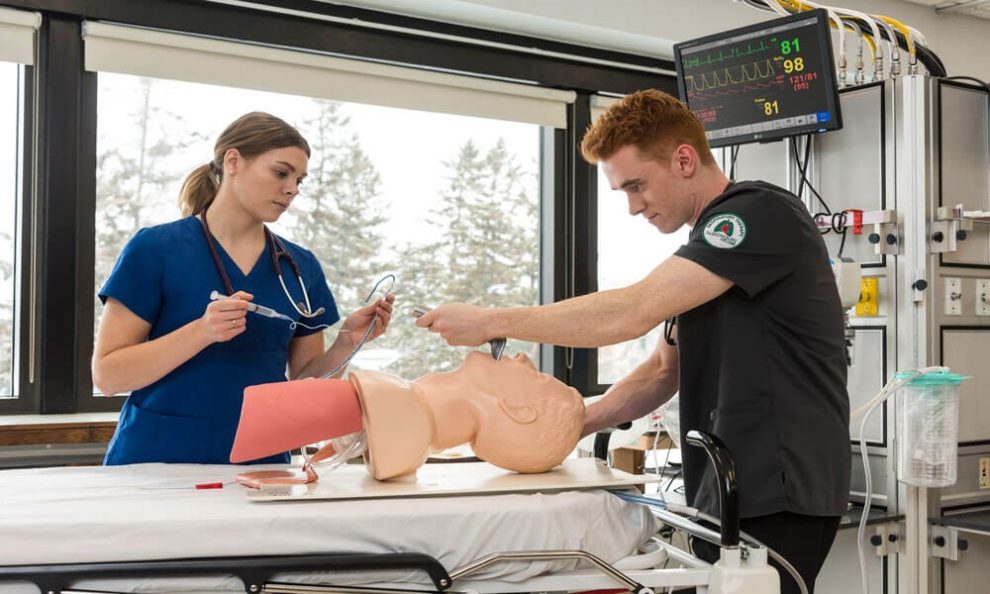

Respiratory therapy degree Alhambra is one of those career paths that often comes into focus when someone wants meaningful, hands-on work in healthcare.
I remember speaking with a friend who shifted from retail into healthcare after the pandemic.
She said watching patients struggle to breathe made her realize how critical respiratory care professionals are.
That moment pushed her to explore allied health programs that focused on lung care and patient support.
A career in this field is not just about medical knowledge.
It is about being present when someone needs help breathing, which is something most people take for granted.
If you are considering this path, it helps to understand what the journey entails and whether it aligns with your personality, goals, and lifestyle.
What does a respiratory therapist actually do?
Respiratory therapists work closely with patients who have breathing disorders.
These can range from asthma and chronic obstructive pulmonary disease to emergencies like trauma or respiratory failure.
They are often the first responders when someone is struggling to breathe in a hospital setting.
They set up oxygen therapy, manage ventilators, and monitor vital signs.
In many cases, they become the calm voice in a very stressful situation.
I once saw a respiratory therapist in an ICU calmly guide a patient through breathing exercises.
The patient was panicking, but within minutes, their breathing stabilized.
That level of skill and composure comes from both training and real-world experience.
If you want to learn more about the training involved, this resource on respiratory therapy degree Alhambra gives a clear overview of what to expect.
If you can stay focused under pressure, this career can be very rewarding.
Why consider studying in Alhambra?
Alhambra is known for its strong healthcare education options and access to medical facilities.
Students benefit from proximity to hospitals, clinics, and training centers.
This means more opportunities for internships and hands-on clinical practice.
Living in this area also exposes you to a diverse patient population.
That diversity prepares you for real-world scenarios where every patient is different.
One student I spoke with said that working with patients from different backgrounds helped her develop communication skills faster than she expected.
That experience can make a big difference when starting your career.
What you will learn in a respiratory therapy program
A respiratory care program covers both theory and clinical practice.
You will learn anatomy, physiology, and how the respiratory system functions.
You will also study cardiopulmonary diagnostics, oxygen therapy, and ventilator management.
Courses often include patient assessment and emergency response training.
Clinical rotations are where everything comes together.
This is where you work directly with patients under supervision.
It can feel overwhelming at first, but it is also where confidence starts to build.
A former student shared that her first day in clinical training was intimidating.
By the end of the semester, she was independently assisting patients with breathing treatments.
That transformation is a big part of the learning journey.
Skills that make you successful in this field
Technical knowledge is important, but it is not the only requirement.
You need strong communication skills because you will be working with patients, families, and medical teams.
Attention to detail is critical when monitoring breathing patterns and equipment.
Empathy is equally important.
Patients often feel anxious when they cannot breathe properly.
Being able to reassure them can make a huge difference.
Problem-solving skills also come into play.
Every patient situation is unique, and you need to adapt quickly.
From my experience talking to healthcare workers, the most successful ones are those who genuinely care about helping others.
Career outlook and opportunities
The demand for respiratory therapists continues to grow.
Hospitals, rehabilitation centers, and home healthcare services all need trained professionals.
There is also a rising demand due to aging populations and respiratory conditions.
Some therapists specialize in neonatal care, working with premature infants.
Others focus on critical care or pulmonary rehabilitation.
There are also opportunities in education, research, and medical equipment sales.
One professional I met started in a hospital and later transitioned into teaching.
She now trains the next generation of therapists while still working part-time in a clinic.
That flexibility shows how this career can evolve.
Challenges you should be prepared for
Like any healthcare career, this field comes with challenges.
You may work long shifts, including nights and weekends.
The job can be physically and emotionally demanding.
You will encounter patients in critical conditions, which can be stressful.
However, many professionals say the rewards outweigh the challenges.
Helping someone breathe easier is an immediate and visible impact.
That sense of purpose keeps many therapists motivated.
It is important to be honest with yourself about whether you can handle high-pressure environments.
If you can, the experience can be incredibly fulfilling.
Is this the right career path for you?
Choosing a career is a personal decision.
This path is ideal for people who want hands-on work and direct patient interaction.
It suits individuals who are calm under pressure and willing to learn continuously.
If you prefer desk work, this may not be the best fit.
But if you want to make a real difference in people’s lives, it is worth considering.
I have seen people from completely different backgrounds succeed in this field.
What they all had in common was a strong desire to help others.
Take time to research programs, talk to professionals, and even shadow someone if possible.
That firsthand experience can give you clarity.
At the end of the day, a career in respiratory care is about more than a job.
It is about being there when someone needs help the most.
And that kind of work stays meaningful no matter how long you do it.